
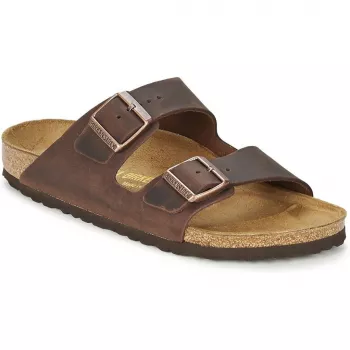
Yes—BIRKENSTOCK Zermatt slippers are generally considered supportive, especially compared to typical soft, flat house slippers. The main reason is their use of a structured footbed (often the brand’s classic cork-latex style) that’s designed to follow the shape of the foot and encourage more stable alignment while you walk around indoors.
Support comes from a few key design elements working together. A contoured footbed helps cradle the arch instead of letting it collapse into a flat sole. A defined heel cup can add stability by helping keep the heel centered, which may reduce that “sloppy” feeling many slippers have. Many Zermatt versions also include a firmer base underfoot than purely foam styles, so your foot isn’t sinking and twisting with each step.
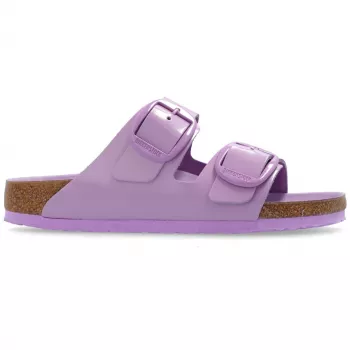
Not always. Some Zermatt styles are offered with different footbed types (such as a soft footbed versus a more classic, firmer one). If maximum support is the goal, the more structured, firmer footbed option typically feels more stable over time. Material and lining can change the feel, too—cozier uppers may be warmer, while the footbed is what does most of the supportive work.
Zermatt slippers tend to work well for people who want indoor footwear that feels closer to a supportive sandal than a plush sock. If you spend a lot of time standing at home on hard floors (tile, hardwood, laminate), a contoured footbed can feel noticeably better than flat slippers. People who dislike arch contact may need a short break-in period, since structured footbeds can feel “present” at first.
For a deeper breakdown of the footbed, comfort, and what to expect from different versions, visit the full guide here: https://couturebay.shop/are-birkenstock-zermatt-slippers-supportive/.
They often fit close to true size, but the best fit depends on whether you wear them with socks and how snug you like your slippers. If you’re between sizes, consider how much room you want in the toe area and whether the upper feels secure.







Leave a comment