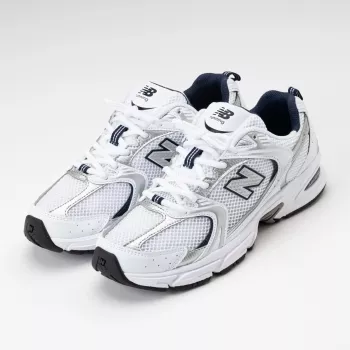
Many podiatrists do recommend certain New Balance shoes—especially models designed with supportive midsoles, stable heel counters, and multiple width options. The brand is widely stocked in extended sizes (like wide and extra-wide), which helps people get a better fit, and fit is one of the biggest factors in comfort and foot health. That said, podiatrists don’t usually recommend a brand “across the board.” They recommend specific features, and then match those features to your foot type, activity, and any conditions like plantar fasciitis, bunions, or overpronation.
New Balance frequently checks boxes podiatrists look for in an everyday walking or running shoe:
If you’re shopping with podiatrist-style priorities, look for a secure heel fit, a toe box that doesn’t squeeze, and a midsole that feels stable when you press and twist it. If you wear orthotics, choose a model with a removable insole and adequate depth. On the other hand, overly flexible shoes, worn-down heels, or styles that feel “mushy” and unstable can aggravate symptoms for some people—especially if you overpronate or need more structure.
For a deeper breakdown of which New Balance models are commonly recommended, plus how to choose based on your foot needs, visit the full guide here: https://couturebay.shop/do-podiatrists-recommend-new-balance-shoes/.
Some New Balance stability and walking models can work well because they offer supportive arches, cushioned midsoles, and a secure heel. The best option depends on whether you need more stability, more cushioning, or room for orthotics.











Leave a comment